Navigating the Future of Social Security: Challenges, Solutions, and Reform Debates
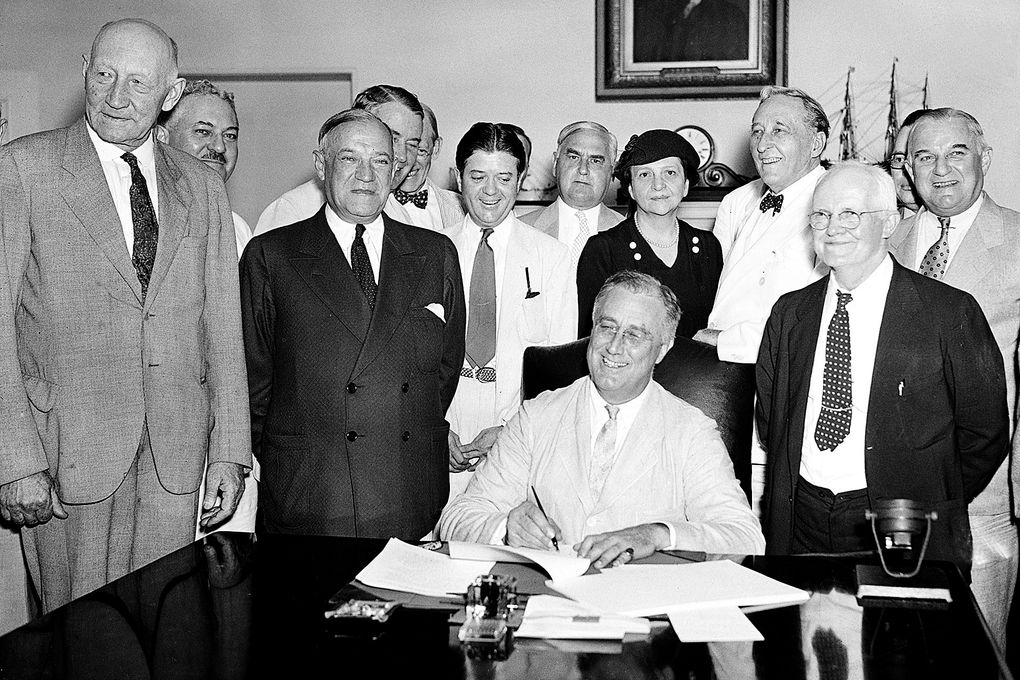
The Social Security Act, signed by President Franklin D. Roosevelt 90 years ago, aimed to provide economic stability to older Americans. Today, the program supports nearly 69 million people monthly, serving as a crucial income source for those over 65. Despite its popularity, Social Security faces financial challenges, with projections indicating a shortfall in funds by 2034, leading to reduced benefit payouts. Recent legislation, such as the Social Security Fairness Act and new tax laws, has impacted benefit levels and the program's solvency.
The idea of privatizing Social Security has resurfaced, with discussions around tax-deferred investment accounts as a potential solution. However, public sentiment has historically been against privatization, as seen during former President George W. Bush's unsuccessful campaign in 2005. Experts like Glenn Hubbard suggest reducing the program's size and limiting benefits for wealthy retirees to ensure its sustainability. Other proposals include increasing minimum benefits and slowing benefit growth for others over time, though these changes may require political will and trade-offs.
Advocacy groups like Social Security Works express concerns about potential privatization of benefit administration under the current administration. The agency has faced workforce reductions, raising questions about its ability to effectively serve beneficiaries. Public opinion on Social Security remains divided, with older Americans, particularly Democrats, expressing support for the program but uncertainty about its future availability. Suggestions for reform include raising the income tax cap on high earners and possibly increasing the retirement age, though opinions on these changes vary.
Experts like Rachel Greszler from the Heritage Foundation advocate for privatization and restructuring Social Security to ensure benefits are more targeted and sustainable. Greszler proposes allowing retirees to invest their Social Security taxes in personal accounts and equalizing benefits for all retirees based on years worked. This approach aims to protect vulnerable individuals while avoiding across-the-board benefit cuts. The debate over Social Security reform continues, highlighting the need for thoughtful solutions to address the program's financial challenges and ensure its long-term viability.