Premier League Stands Firm Against Overseas Matches: Financial Activity, Women's Football Evolution, and Regulatory Changes in English Football
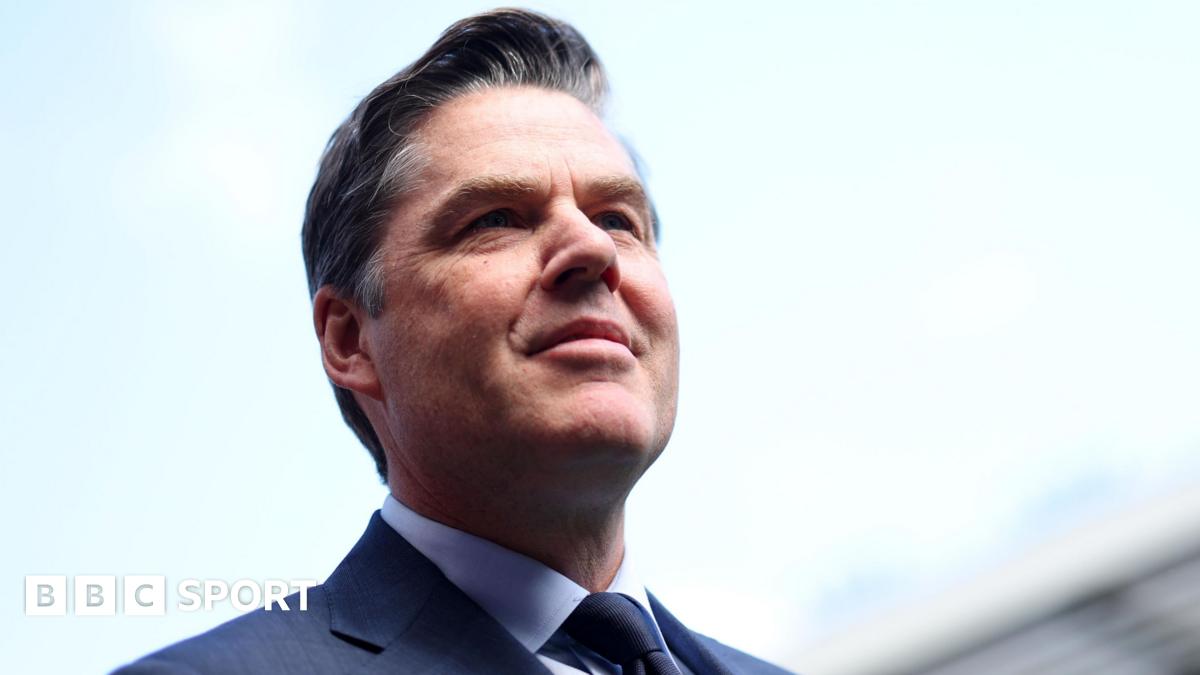
The Premier League has no intentions of playing matches abroad, as confirmed by chief executive Richard Masters. While other leagues like La Liga and Serie A are exploring the possibility of hosting games in countries like the United States and Australia, the Premier League remains firm in its stance against such plans. The concept of a '39th game' outside England was previously considered but faced backlash from fans and media, leading to its abandonment. Despite some club owners expressing interest in overseas matches, the Premier League is not actively pursuing this idea.
With the increasing investment in player transfers by Premier League clubs, the competition is seeing significant financial activity during the transfer window. Clubs like Liverpool, Chelsea, and Manchester United have made substantial signings, contributing to the league's overall spending. The influx of funds into squads is viewed positively by Masters, who believes it enhances the competitive nature of the league by attracting top talent from around the world. The current commercial cycle is driving this surge in spending, leading to a stronger mix of international stars and homegrown talent in the Premier League.
The landscape of women's football in the Premier League is evolving, with clubs like Everton, Chelsea, and Aston Villa integrating their women's teams into the parent company structure. This move aligns with the league's financial regulations and allows clubs to manage their operations more efficiently. While there have been debates about potential rule changes, the current framework permits such restructuring within clubs. The Premier League is adapting to these developments to ensure compliance with its regulations and support the growth of women's football within the league.
The recent case involving Ghana midfielder Partey, who left Arsenal amid legal charges, highlights the complex nature of player-club relationships. Partey's departure from Arsenal following legal allegations raised questions about the club's handling of the situation. However, Masters emphasized that such matters fall under the jurisdiction of the employer and employee, with clubs making decisions based on internal processes. The Premier League does not intervene in individual club matters but trusts that clubs take such situations seriously and act accordingly.
The establishment of an independent football regulator marks a significant milestone for English football, ushering in a new era of governance and oversight. The regulator, set to launch later this year, will operate independently from government and football authorities, overseeing the men's game across the top five divisions in England. This regulatory body aims to address ownership issues and financial challenges faced by clubs like Sheffield Wednesday and Morecambe, ensuring a fair and sustainable future for English football. Collaborating with the regulator, the Premier League seeks to address ownership concerns and support clubs in resolving financial difficulties effectively.
The Club World Cup underwent a revamp, with English clubs Chelsea and Manchester City participating in the tournament held in the United States. Chelsea emerged victorious in the competition, defeating Paris St-Germain in the final. However, concerns were raised by former Liverpool manager Jurgen Klopp regarding player welfare and the impact of additional fixtures on clubs participating in the Club World Cup. As the Premier League continues to evolve, discussions around player workload and match scheduling are crucial to maintaining the integrity and competitiveness of the league.