Unraveling the Beatles: A Cinematic Journey Through 'Help!
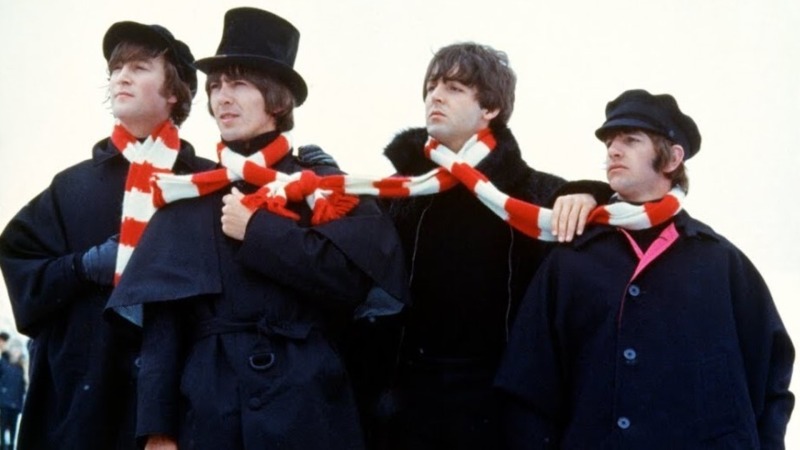
The challenge faced by any biographical film about the Beatles is the overwhelming amount of media coverage the band received during their rise to fame. The upcoming four-part biographical project by Sam Mendes will have to contend with decades of documentaries, news reports, and candid videos featuring the iconic band members. The Beatles' personalities became so well-known that fans felt comfortable referring to them by their first names, unlike other celebrities who kept their personal lives private.
The Beatles inspired unprecedented fanfare and obsession in England, a country known for its reserved social practices. Their arrival in America in 1964 marked the peak of the British Invasion, with the band's popularity reaching new heights. Their first feature film, "A Hard Day's Night," directed by Richard Lester, became a classic music film that showcased the band's comic brilliance and transformed them into larger-than-life characters.
Unlike traditional musician documentaries, "A Hard Day's Night" was released before the genre's legitimization. The film earned critical acclaim and two Oscar nominations, setting the stage for a sequel. "Help!" gave director Richard Lester more creative control and featured the Beatles in a Marx brothers-esque adventure involving an international conspiracy and a sacrificial ring.
"Help!" was released during the peak of James Bond's popularity, and the film's blend of humor and adventure resonated with audiences. The Beatles found themselves entangled in a series of misadventures, working alongside Scotland Yard to thwart evil scientists and cult members. The film's satirical take on law enforcement and international affairs added a layer of social commentary.
The Beatles' willingness to poke fun at their own personas in "Help!" set them apart from other musician-actors of their time. The film provided a platform for the band to turn themselves into characters and explore comedic elements. Director Richard Lester's knack for blending pathos and adventure laid the groundwork for his future works, showcasing a unique approach to modern mythmaking.
Despite its influence on subsequent comedy and music projects, "Help!" has been criticized for its cultural appropriation and lack of depth in character development. The film's depiction of Indian culture and the Kali worshippers has been viewed as cartoonish and potentially racist. The Beatles' tolerance of these offensive portrayals reflects a different era in filmmaking and cultural representation.
"Help!" marked the Beatles' last major cinematic project as a group, leading to individual pursuits in the film industry. George Harrison became a respected producer, Ringo Starr continued acting in comedies, and Paul McCartney contributed iconic theme songs to films. John Lennon's untimely death left a void in the potential film projects he could have pursued, given his admiration for visionary filmmakers.
While "Help!" may not be considered the Beatles' best work, it remains a unique project that showcases the band's entertainment value. The film's lighthearted and enjoyable nature serves as a reminder of the Beatles' early days as great entertainers before they were recognized as influential artists.