Federal Intervention in Washington, DC: Balancing Power and Collaboration
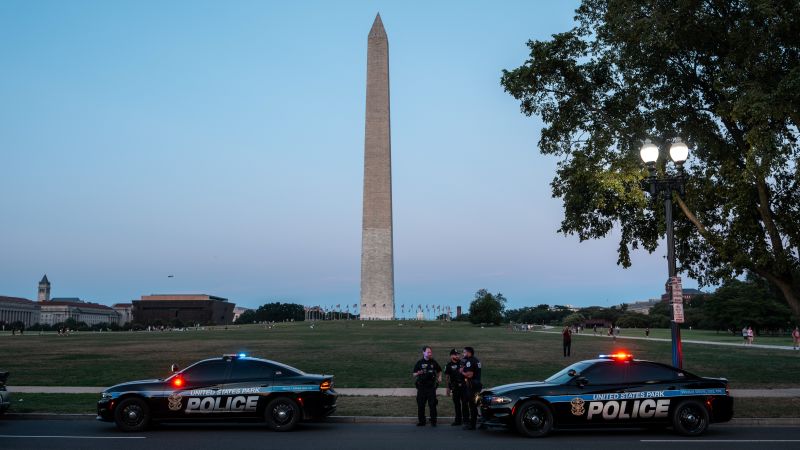
President Donald Trump is set to intensify efforts to reduce crime in Washington, DC, by potentially taking federal control of the city. The White House plans to deploy up to 450 federal law enforcement officers, including 130 FBI agents, to assist the local police in patrolling the city and addressing criminal activities. Trump aims to hold a press conference to address violent crime in the capital and has made claims about rising crime rates, despite data showing a decrease in overall crime numbers this year.
Washington Mayor Muriel Bowser has responded to Trump's threats by emphasizing shared priorities with the president and highlighting the collaborative efforts between federal law enforcement agencies and the city's police force. Bowser's approach to handling Trump's deployment of federal officers involves maintaining positive relationships with federal agencies while avoiding direct confrontation with the president. The mayor's strategy aims to balance cooperation with federal partners and addressing crime in the city without creating rifts with federal agencies.
Despite Trump's suggestions of a federal takeover of Washington, DC, under the DC Home Rule, the president can only temporarily control the city's police department for 48 hours in emergency situations. To extend federal control beyond this period, Trump would need approval from congressional committees, which may be challenging to obtain. While Trump's administration has considered taking over the Metropolitan Police Department and deploying the National Guard, any long-term federal intervention in governing the city would require congressional legislation, which is unlikely to pass in the current political climate.
In conclusion, President Trump's efforts to address crime in Washington, DC, through increased federal presence and potential takeover of the city's police department have sparked discussions about the balance of power between federal and local authorities. Mayor Bowser's approach of maintaining cooperation with federal agencies while addressing crime in the city reflects the delicate balance of managing relationships with federal partners and responding to federal interventions in local matters. The ongoing dialogue between federal and local authorities underscores the complexities of governance and law enforcement in the nation's capital.