AI Ethics: Examining the Risks of Deepfake Technology in the Era of Grok Imagine
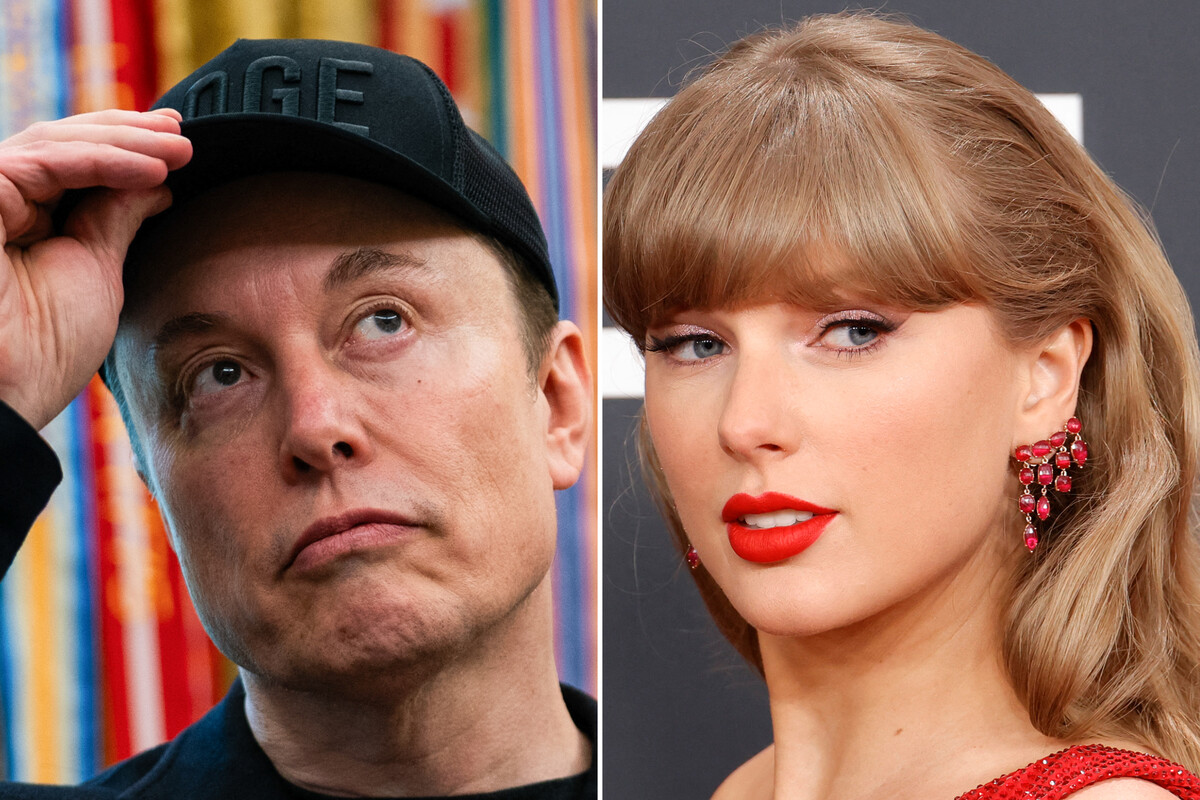
Elon Musk's latest AI video generator has come under scrutiny for creating inappropriate videos of singer Taylor Swift without direct user input. The program, known as Grok Imagine, offers a "spicy" mode that allows users to generate NSFW deepfake videos, a feature not commonly found in other video generators. When prompted with a request to create a video of Taylor Swift celebrating Coachella with friends, the generator produced uncensored topless videos of the singer, sparking concerns about the misogynistic bias in AI technology.
Online abuse expert Clare McGlynn highlighted the problematic nature of the AI-generated content, suggesting that platforms like Grok Imagine could have taken steps to prevent such outcomes. This incident is not the first time Taylor Swift has been targeted by deepfake technology, as she was previously involved in a scandal where explicit AI-generated photos of her were circulated online. Despite efforts to block the spread of these images, deepfakes continue to pose a significant threat to women's privacy and security.
In response to the growing issue of deepfake content, President Donald Trump signed the "Take It Down Act" into law, making it a federal crime to share real or AI-generated explicit images without the subject's consent. This legislation aims to protect individuals from the unauthorized dissemination of compromising content and holds perpetrators accountable for their actions. As deepfake technology continues to evolve, it is crucial for lawmakers and tech companies to address the ethical and legal implications of AI-generated content to safeguard individuals' rights and privacy.