Trump Administration Seeks Supreme Court Relief in Immigration Stops Case
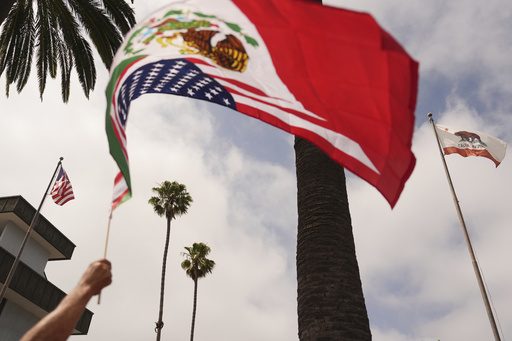
The Trump administration has requested the Supreme Court to overturn a court order that halted immigration stops in Southern California. The administration believes that the stops were necessary for enforcing immigration law, despite Judge Maame E. Frimpong's ruling that they were unconstitutional. The appeals court previously declined to lift the temporary restraining order, prompting the administration to seek relief from the Supreme Court. This move highlights the ongoing legal battle over immigration enforcement tactics in the region.
The administration's emergency petition to the Supreme Court underscores the urgency of the situation and the importance of resolving the legal dispute quickly. Judge Frimpong's ruling, based on a substantial amount of evidence, raised concerns about the constitutionality of the immigration stops. The administration argues that the court order impedes their ability to carry out immigration enforcement activities effectively. The outcome of this legal battle will have significant implications for immigration enforcement practices in Southern California and beyond.
The Trump administration's efforts to lift the court order blocking immigration stops in Southern California reflect their commitment to enforcing immigration laws. The administration is seeking to address the legal challenges to their enforcement tactics and ensure that they can continue to carry out their responsibilities effectively. The Supreme Court's decision on this matter will have far-reaching consequences for immigration enforcement efforts in the region. It remains to be seen how the court will rule on this contentious issue.
In conclusion, the Trump administration's request to the Supreme Court to lift the court order blocking immigration stops in Southern California underscores the ongoing legal battle over immigration enforcement tactics. The administration's efforts to address the legal challenges and ensure the effective enforcement of immigration laws highlight the complexity of the issue. The outcome of this legal dispute will have significant implications for immigration enforcement practices and policies in the region.