Debate Over Federal Intervention in Washington, DC: Balancing Power and Security
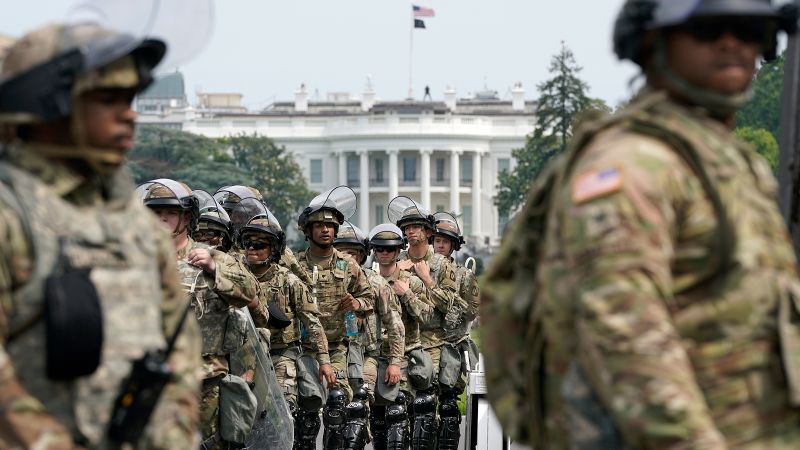
President Donald Trump recently made comments suggesting that the federal government might intervene in Washington, DC, following an incident involving a former Department of Government Efficiency employee. Reports indicate that the Trump administration is considering increasing federal law enforcement presence in the city, potentially involving agencies like ICE, FBI, National Guard, and local Department of Homeland Security agents. However, experts note that Trump cannot unilaterally federalize DC and that such a move would be unusual given the current crime situation in the district.
The US Congress has authority over DC but granted some governing power to local entities through the Home Rule Act in 1973. Trump mentioned the possibility of overturning Home Rule, which would require congressional approval. The DC National Guard, which reports directly to the president, could be deployed for law enforcement purposes, a unique arrangement compared to other states where the governor commands the Guard.
In the event of federal troops being deployed in DC, they would be subject to the same legal constraints as elsewhere in the country, respecting constitutional rights and limitations on their authority. The prospect of federal authorities patrolling the city raises concerns among residents, particularly in light of past instances where federal forces were called in to respond to protests.
Critics argue that bringing in federal troops would go against the traditional approach of law enforcement being carried out by local civilian authorities. Despite Trump's claims of increased crime in DC, preliminary crime data for 2025 shows a decrease compared to the previous year. The move to involve federal forces in DC is seen as unprecedented and unnecessary given the current public safety situation in the district.
In conclusion, the potential escalation of federal law enforcement presence in Washington, DC, raises questions about the balance of power between local and federal authorities and the need for such intervention in a city that does not appear to be experiencing a significant crime surge. The debate over federalizing DC and the role of the National Guard in law enforcement underscores the complexities of governance and security in the nation's capital.