Shaking the Ground: Oasis's Seismic Impact at Murrayfield Stadium
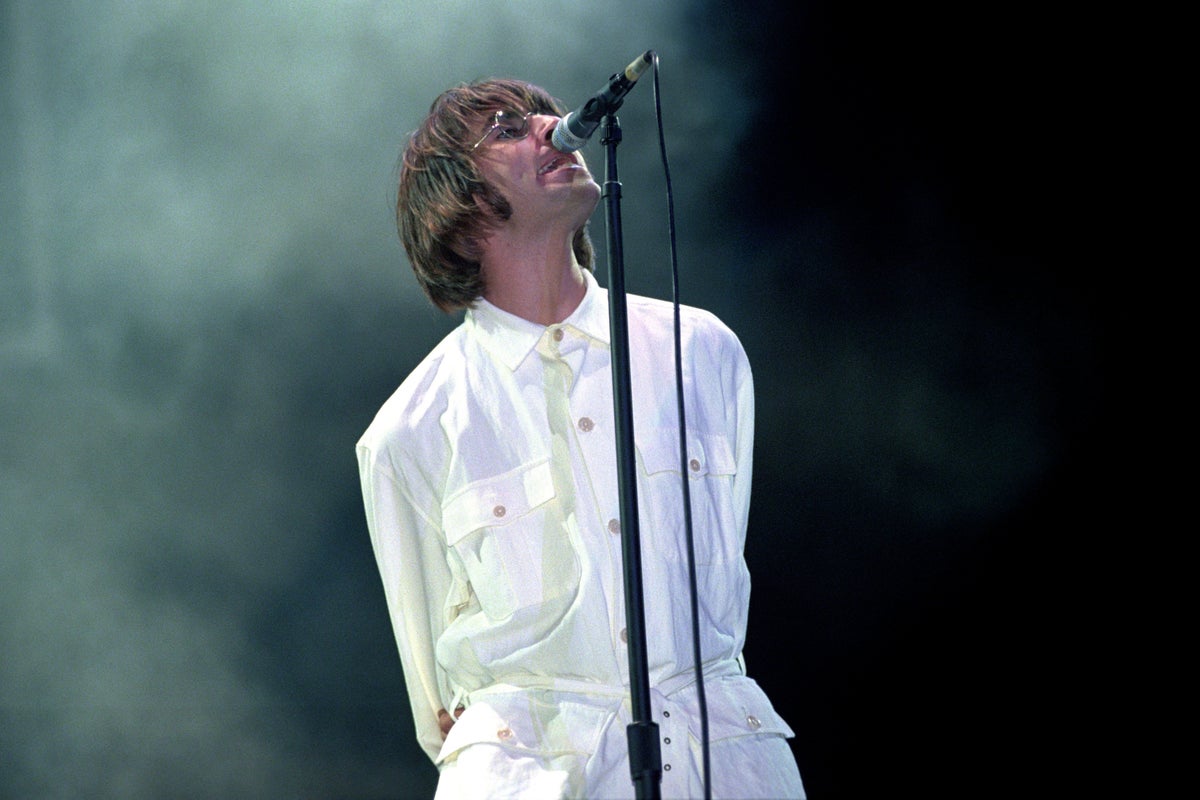
Oasis's 2009 performance at Edinburgh's Murrayfield Stadium has been identified as the most seismic concert at the venue in the past two decades, according to recent data analysis by the British Geological Survey (BGS). The Gallagher brothers' show in June 2009 registered a peak earthshaking power of 215.06Kw, surpassing other notable events like the Red Hot Chili Peppers' 2004 concert and Kings of Leon in 2011. The measurements were taken from a seismic monitoring station located 4km from the stadium.
The seismic power output during concerts is not directly related to the volume of the band or the size of the crowd, but rather to the movement of fans jumping and dancing in sync with the music. The height of the jumping and the weight of the crowd can also influence the seismic activity. As Oasis prepares for their comeback tour in Edinburgh, the potential for another high-energy event is on the horizon, with fans likely to contribute to the seismic output in a similar manner to previous years.
According to BGS seismologist Callum Harrison, the seismic signals generated by Oasis fans during the 2009 concert were equivalent to a crowd energy of 215kW at its peak. The data recorded precise timestamps correlating to the band's performance, with the peak energy reading occurring around 8.30pm when Oasis took the stage and played their hit song "Rock ‘N’ Roll Star." The BGS maintains an archive of ground motion recordings from seismic sensors across the country, providing valuable insights into historical seismic events.
Looking ahead to the upcoming sold-out gigs at Murrayfield, Mr. Harrison expressed the possibility of surpassing the seismic output of the 2009 concert, depending on the energy and enthusiasm of the crowd. The level of crowd engagement, including how high and fast they jump along with the music, will be key factors in determining the seismic impact of the upcoming performances. As fans eagerly anticipate the return of Oasis to the stage, the potential for another ground-shaking event is on the horizon.
In conclusion, Oasis's 2009 concert at Murrayfield Stadium stands out as a seismic phenomenon, with the energy and movement of fans contributing to a peak earthshaking power that surpassed other notable events. As the band prepares for their highly anticipated comeback tour, the potential for another seismic spectacle in Edinburgh is a possibility that fans and researchers alike eagerly await.